Korean massage is a traditional therapeutic practice known for its holistic approach to physical health and internal balance. Rooted in ancient healing philosophies, it focuses on stimulating the body’s natural systems to enhance circulation, reduce tension, and promote overall wellness. One of its most significant benefits is its positive impact on blood circulation, which plays a vital role in maintaining energy, muscle health, and organ function.visit for more details 마사지
Understanding Blood Circulation and Its Importance
Blood circulation is responsible for transporting oxygen, nutrients, and hormones throughout the body while removing waste products. Poor circulation can lead to fatigue, muscle stiffness, cold extremities, swelling, and slower recovery from physical stress. Modern sedentary lifestyles, prolonged sitting, and high stress levels often contribute to restricted blood flow, making circulation-focused therapies increasingly relevant.
Korean massage techniques are designed to address these issues by encouraging smoother, more efficient blood movement through targeted pressure, stretching, and rhythmic motions.
How Korean Massage Stimulates Blood Flow
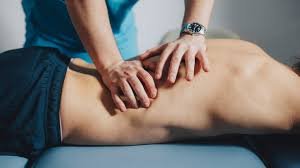
Korean massage improves circulation primarily through controlled pressure and assisted stretching. Gentle yet firm hand movements compress muscles and soft tissues, helping push stagnant blood toward the heart. When pressure is released, fresh, oxygen-rich blood flows back into the area, revitalizing tissues and improving cellular function.
Assisted stretching further enhances this process by lengthening muscles and opening joints. This reduces compression on blood vessels, allowing blood to flow more freely. Joint mobilization techniques also improve circulation around the joints, which is especially beneficial for individuals experiencing stiffness or limited mobility.
Role of Energy Balance and Relaxation
Traditional Korean massage emphasizes balance within the body. Stress and tension often cause muscles to tighten, restricting blood flow. Through slow, rhythmic techniques and guided breathing, Korean massage activates the parasympathetic nervous system, encouraging deep relaxation.
As the body relaxes, blood vessels naturally dilate, improving circulation. This relaxation response not only enhances physical blood flow but also supports cardiovascular health and lowers stress-related symptoms such as headaches and muscle pain.
Benefits of Improved Circulation Through Korean Massage
Enhanced blood circulation provides a wide range of health benefits. Clients often experience warmer hands and feet, reduced swelling, and improved muscle recovery. Better circulation also supports joint health by delivering essential nutrients to connective tissues.
Improved blood flow can contribute to clearer skin, increased energy levels, and faster healing after physical activity. Many people also report reduced chronic pain, particularly in areas like the lower back, neck, and shoulders, where poor circulation and muscle tension commonly overlap.
Modern Relevance and Wellness Applications
In modern wellness settings, Korean massage is widely used as a complementary therapy for circulation improvement. Office workers benefit from relief from prolonged sitting, while athletes use it to support recovery and prevent injury. Older adults may also find it helpful for maintaining mobility and reducing circulation-related discomfort.
As awareness of preventative health grows, Korean massage continues to gain recognition for its natural, non-invasive approach to improving blood circulation and overall vitality.
Conclusion
Korean massage offers a powerful yet gentle method for enhancing blood circulation through mindful pressure, assisted stretching, and deep relaxation. By improving the flow of oxygen and nutrients throughout the body, it supports physical recovery, reduces tension, and promotes long-term wellness. Whether used for stress relief or therapeutic care, Korean massage remains a valuable practice for maintaining healthy circulation in today’s demanding lifestyles.
About the Author