
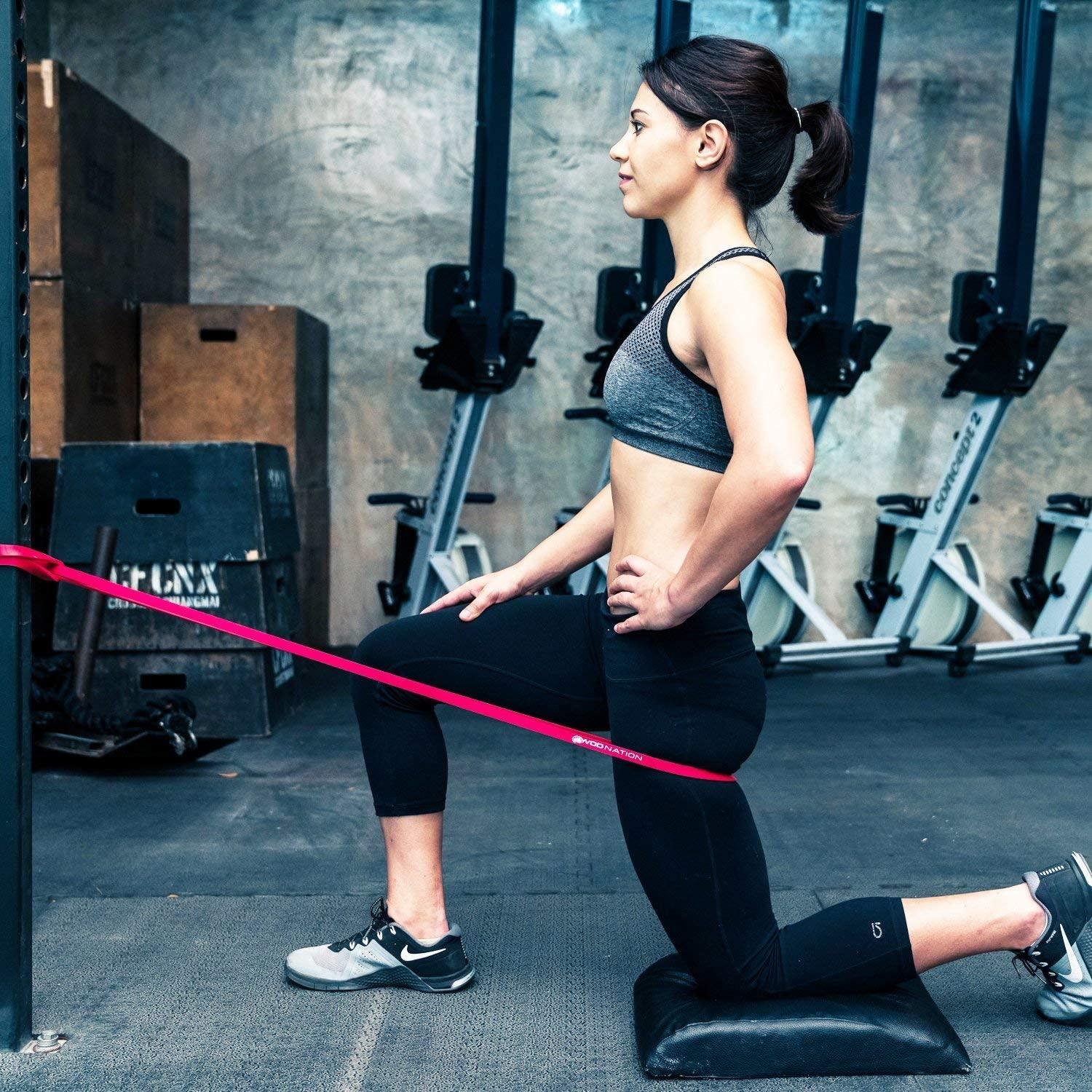
Pull-ups are one of the most effective exercises for building upper-body strength, but many beginners struggle to perform full repetitions initially. Resistance bands provide a safe and effective way to assist your pull-ups, helping you gradually build strength and confidence. Using pull-up assist bands allows you to reduce the amount of bodyweight you lift while still engaging the target muscles. These bands can be used in various ways to create a structured progression plan, making pull-ups achievable for all fitness levels. Incorporating the right techniques with resistance bands accelerates improvements and reduces the risk of injury.
Starting With Assisted Pull-Ups
For beginners, assisted pull-ups with bands are an excellent starting point. Loop the band over a pull-up bar and place either your foot or knee inside the band to receive support as you pull upward. Focus on controlled movements, ensuring that your shoulders, back, and arms are engaged throughout the exercise. Assisted pull-ups help you complete more repetitions with proper form, which is essential for building strength gradually. Using pull-up assist bands consistently allows your muscles to adapt over time, creating a solid foundation for progressing to unassisted pull-ups.
Gradually Reducing Assistance
Once you can comfortably perform multiple assisted pull-ups, the next step is to reduce the level of support provided by the band. Resistance bands come in varying thicknesses and tension levels, so switching to a lighter band increases the challenge. This gradual reduction encourages your muscles to work harder while maintaining proper form. Over time, you can progress to using the thinnest band or eventually perform pull-ups without assistance. Monitoring your reps and adjusting band tension systematically ensures steady improvement and prevents plateaus.
Incorporating Negative Pull-Ups
Negative pull-ups are a valuable technique to complement band-assisted training. Start at the top of the pull-up position and slowly lower yourself to a fully extended hang. This eccentric phase strengthens the muscles needed for full pull-ups. Assisted pull-up bands can be used to help you reach the top position safely, allowing you to control the descent without straining your muscles. Performing negative repetitions improves both strength and control, making the transition to unassisted pull-ups smoother and more achievable over time.
Combining With Supporting Exercises
To maximize pull-up progression, include complementary exercises that strengthen the back, shoulders, and core. Rows, lat pulldowns, and inverted rows target the same muscle groups engaged during pull-ups. Core exercises, such as planks or hanging leg raises, improve stability and help maintain proper form. Using pull-up assist bands during these exercises can further enhance strength and endurance. A balanced routine that combines assisted pull-ups with supporting movements accelerates overall upper-body development and builds a foundation for unassisted pull-ups.
Tracking Progress and Staying Consistent
Consistency and monitoring are crucial for successful pull-up progression. Track your repetitions, sets, and band resistance levels to measure improvement over time. Adjust your routine based on progress, gradually decreasing assistance while increasing reps or adding new variations. Scheduling regular training sessions and remaining patient with incremental improvements ensures long-term success. Pull-up assist bands provide a safe and effective tool for continuous progression, making pull-ups an achievable goal for anyone dedicated to building upper-body strength.
Conclusion: Mastering Pull-Up Progression With Bands
Progressing in pull-ups requires a combination of proper technique, consistent practice, and the right tools. Pull-up assist bands play a crucial role by providing adjustable support, allowing beginners to build strength and confidence safely. Gradually reducing assistance, incorporating negative repetitions, and combining supporting exercises create a structured path toward unassisted pull-ups. With careful tracking and persistence, resistance bands become an invaluable tool for mastering pull-ups and achieving long-term upper-body strength goals.
About the Author